
Catherine Dowley is best known as the daughter of Maud Lewis, one of Canada’s most celebrated folk artists, whose brightly colored paintings of rural Nova Scotia life earned national recognition in the 1960s.
Her story adds a layer of poignancy to her mother’s biography, revealing a separation that shaped both their lives and remained unresolved until Maud died in 1970.
Who is Catherine Dowley?
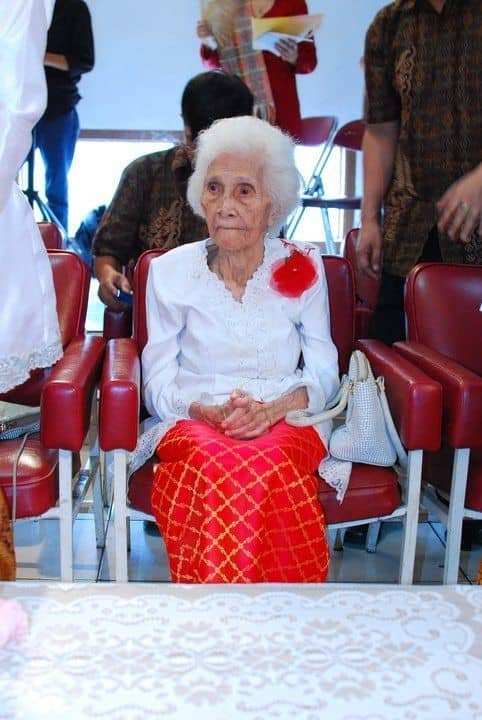
Catherine Dowley is the biological daughter of Canadian folk artist Maud Lewis, born in 1928 in Nova Scotia, Canada.
Her birth came at a time of personal upheaval for her mother, as Maud was unmarried and living with health challenges brought on by birth defects and juvenile rheumatoid arthritis.
Catherine’s early years unfolded entirely apart from Maud. Her uncle, Maud’s brother Charles, arranged for her to be given up for adoption, citing fears about the family’s reputation and doubts about Maud’s ability to care for a child.
Maud herself was told that her baby had died. That belief stayed with her for the rest of her life.
Despite the painful circumstances of her origins, Catherine grew up, built her own family, and later attempted to reconnect with her biological mother.
Those efforts were never successful, as Maud clung to the belief that her daughter had passed away and never acknowledged Catherine publicly.
Her story came to wider attention through the biography Maud Lewis: The Heart on the Door, which traced Catherine’s life from birth through to her passing and documented her attempts to contact her mother.
Early Life of Catherine Dowley
Catherine Dowley was born in 1928 in Nova Scotia, Canada, to Maud Lewis and a man named Emery Allen.
Allen was the love of Maud’s life but abandoned her shortly after Catherine’s birth, leaving Maud to face the scandal of an out-of-wedlock child alone.
Her mother’s brother, Charles Dowley, took charge of the situation. He arranged for Catherine to be placed for adoption, a decision driven by the social pressures of rural Nova Scotia in the late 1920s.
Growing up, Catherine faced health challenges of her own. Accounts describe her as having experienced birth defects and physical disabilities from an early age.
She was raised in Canada without any connection to her biological mother, a separation that lasted throughout Maud’s lifetime.
Despite this, Catherine did not give up entirely on finding her roots and made several attempts to reach Maud later in adulthood.
Those attempts were unsuccessful. Maud, having been told her child died at birth, refused to accept Catherine as her daughter.
Catherine Dowley Age / Birthday
Catherine Dowley was born on 13 August 1928 in Nova Scotia, Canada.
She passed away in 1989, at the age of 61.
Catherine Dowley Ethnicity and Nationality
Catherine Dowley was Canadian by nationality, born and raised in Nova Scotia.
Her ethnic background is White Canadian, in keeping with her mother Maud’s Nova Scotian heritage, which traced back to families of English and French descent settled in the Yarmouth and Digby regions.
The Dowley family had deep roots in rural Nova Scotia, with her maternal grandfather John Dowley working as a blacksmith and harness maker in Yarmouth.
Catherine Dowley Height and Weight
Catherine Dowley stood at approximately 4 feet 8 inches tall, which is equivalent to around 142 centimeters or 1.42 meters.
Her weight is not publicly confirmed. She was described as slight and thin in build, partly as a result of the physical challenges she faced throughout her life.
Catherine Dowley’s Mother: Maud Lewis
Maud Lewis, born Maud Kathleen Dowley on March 7, 1903, in South Ohio, Nova Scotia, grew up to become one of Canada’s most beloved folk artists.
Her father John was a blacksmith and harness maker in Yarmouth, and her mother Agnes introduced her to watercolor painting as a child, teaching her to make Christmas cards to sell.
From early childhood, Maud lived with birth defects and developed rheumatoid arthritis that progressively limited the movement of her hands and joints.
Despite those limitations, she went on to produce thousands of bright, cheerful paintings of rural Nova Scotian life: oxen teams, horses, cats, birds, winter sleigh rides, and coastal scenes.
Maud’s parents both died within two years of each other. Her father John passed away in 1935 and her mother Agnes in 1937.
After a brief period living with her brother Charles, Maud moved to Digby, Nova Scotia, to stay with her aunt.
In January 1938, she married Everett Lewis, a fish peddler from Marshalltown, Nova Scotia.
The two lived in Everett’s tiny one-room house, which Maud transformed into an art studio, painting on walls, doors, breadboxes, and every available surface. Everett encouraged her painting and bought her first set of oils.
Between 1945 and 1950, travelers passing along Nova Scotia’s Highway No. 1 began stopping to buy her paintings for two or three dollars each.
By 1964, a feature in the Star Weekly brought her national attention, and in 1965 she appeared on CBC-TV’s Telescope program. Two of her paintings were later ordered by the White House during Richard Nixon’s presidency.
Maud Lewis died on July 30, 1970, in Digby, from pneumonia, at the age of 67. Everett Lewis was killed in 1979 during a burglary at their home.
Today, Maud’s painted house stands as part of a permanent exhibit at the Art Gallery of Nova Scotia in Halifax, welcoming thousands of visitors each year.
The 2016 film Maudie, directed by Aisling Walsh and starring Sally Hawkins and Ethan Hawke, brought Maud’s story to international audiences, further raising curiosity about her daughter Catherine.
Catherine Dowley Husband
Catherine Dowley later married Paul Muise in Yarmouth County, reportedly in 1949. The couple moved to Ontario, Canada, where they built their life together.
Paul Muise remained her husband throughout her life. Catherine left behind her husband, children, grandchildren, and great-grandchildren at the time of her passing.
Details about Paul Muise’s background or profession are not publicly confirmed.
Catherine Dowley’s Children and Family
Catherine Dowley raised her own family after marrying Paul Muise. At the time of her death, she had children, grandchildren, and great-grandchildren, pointing to a family life that spanned several generations.
The specific names and details of her children and grandchildren are not publicly confirmed.
Her family became connected to the wider Maud Lewis story when four generations of descendants visited the Art Gallery of Nova Scotia to see Maud’s restored painted house and works on display.
That visit was a meaningful moment for the family, allowing Maud’s descendants to see the legacy of the grandmother and great-grandmother they never truly knew.
Catherine Dowley’s Connection to the Maud Lewis Story
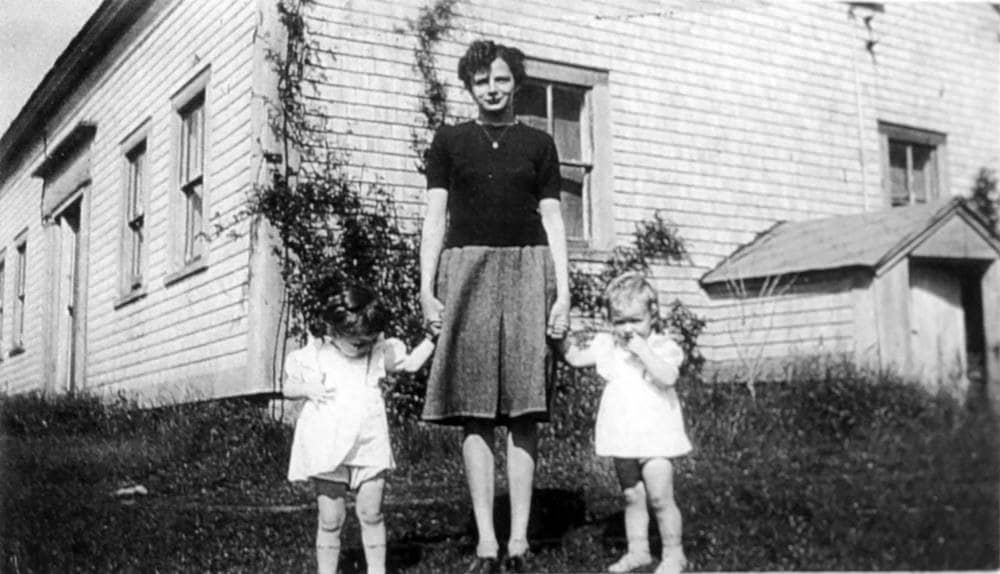
Catherine’s story remained largely unknown to the public for decades. It was the biography Maud Lewis: The Heart on the Door that first documented her life in full, tracing her from birth in 1928 through her adoption, her adult years, her marriage to Paul Muise, and her passing.
The biography confirmed that Catherine made repeated attempts to contact her biological mother. Maud, however, never wavered from the belief that her daughter had died at birth.
That unresolved connection has become one of the most affecting chapters in the Maud Lewis story. For Catherine, recognition came only after her mother’s death, through historians and biographers willing to tell the full truth about the Lewis family.
Her father, Emery Allen, the man who fathered Catherine and abandoned Maud, never played a role in either of their lives after Catherine’s birth. The biography describes Allen as “the love of Maud’s life” who left her to face the consequences of their relationship alone.
Catherine’s story stands as a reminder that behind celebrated artistic legacies, family histories are often far more complicated than public narratives suggest.
Summary
Catherine Dowley, born in 1928 in Nova Scotia, lived a life shaped by the dramatic circumstances of her birth and a separation from her biological mother, Maud Lewis, that was never repaired during either woman’s lifetime.
Her story, documented in the biography Maud Lewis: The Heart on the Door, fills in a chapter of Canadian folk art history that public accounts of Maud’s cheerful paintings long left unspoken.