Michael Kutcher is an American disability advocate, motivational speaker, and business professional best known as the twin brother of actor Ashton Kutcher.
He has lived with cerebral palsy since birth and survived a life-saving heart transplant at age 13, turning those experiences into a platform that has taken him to Capitol Hill, the Centers for Disease Control, and audiences across the country.
Read on to discover more about his life, disability journey, career, and family.
Who Is Michael Kutcher?
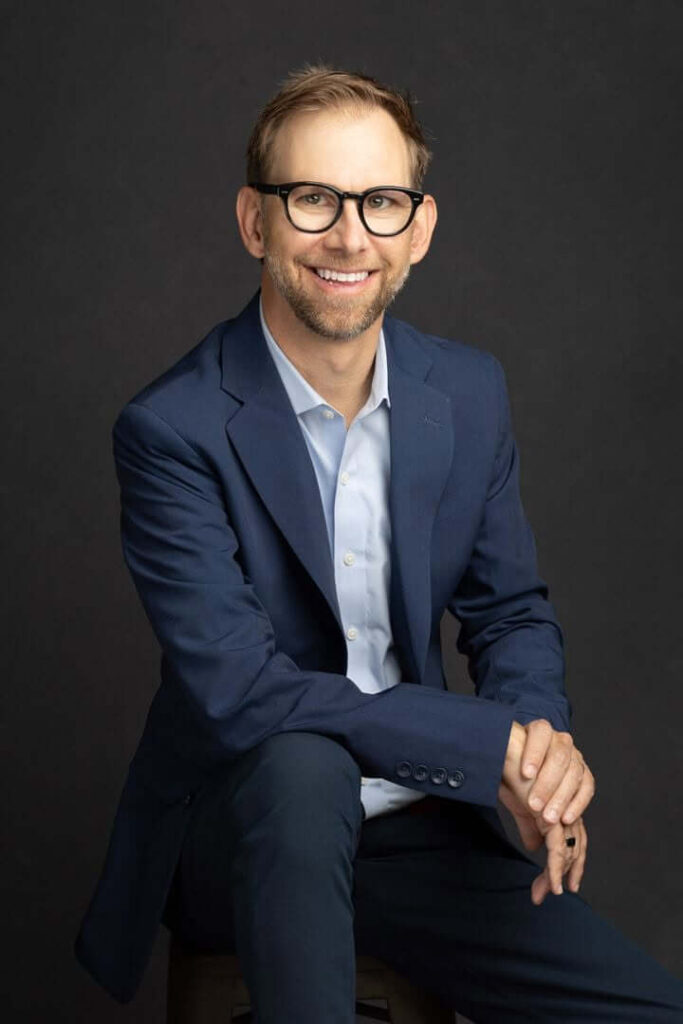
Michael Kutcher is not just a famous name’s brother. He has built a meaningful life and career entirely on his own terms.
Born with cerebral palsy and given weeks to live as a teenager, he beat the odds more than once. Today he works in finance, travels the country as a keynote speaker, and fights for the rights of people with disabilities.
His core message is one he calls the “Diffability Movement.” The idea is simple: disability is not a deficit. It is a set of different abilities. That message has made him a sought-after speaker for corporate teams, nonprofits, and government bodies alike.
He is a spokesperson and advisor for the Cerebral Palsy Foundation and an ambassador for Donate Life, the organ donation awareness campaign.
Early Life of Michael Kutcher
Michael Kutcher was born on February 7, 1978, in Cedar Rapids, Iowa. He was the surprise twin of Christopher Ashton Kutcher.
His parents, Larry and Diane Kutcher, did not know they were expecting twins until about two hours before delivery.
Michael arrived five minutes after his brother. He weighed less than five pounds and was barely responsive. His lungs were underdeveloped, and he struggled to breathe. Doctors placed him in intensive medical care. His parents did not know if he would survive.
He spent roughly a month in the hospital before he could go home. Even then, his challenges were far from over.
His parents noticed he was not developing at the same pace as his twin. By age three, he was showing significant developmental delays. Before he started kindergarten, he was diagnosed with cerebral palsy.
Growing up, cerebral palsy affected his vision, speech, hearing, and the mobility of his right hand. He wore thick glasses and a hearing aid, which made him a target for bullying at school. Ashton often stepped in to protect him. The two brothers were very close in their early years.
The family raised Michael and Ashton in Iowa’s Cedar Rapids area. They also have an older sister named Tausha. Their father, Larry, worked for General Mills, and their mother, Diane, worked for Procter & Gamble.
Michael Kutcher Age
Michael Kutcher is 48 years old as of 2026, born on February 7, 1978, in Cedar Rapids, Iowa. His zodiac sign is Aquarius, often linked to independence and a desire to make a difference in the world.
Both qualities describe him well. He has spent nearly two decades as a public voice for people living with disabilities, all while building a full career in business.
Ethnicity and Nationality
Michael Kutcher is American. He was born and raised in Iowa and holds American nationality. His ethnicity is White.
He grew up in a working-class Midwestern family, and that grounded background has shaped the straightforward, personal style of his advocacy work.
Michael Kutcher Disability: Living with Cerebral Palsy
Cerebral palsy is a group of conditions that affect the brain and movement. It has no cure. For Michael, it has affected his vision, speech, hearing, and the motor function of his right hand throughout his life.
For many years, Michael kept his diagnosis private. He feared how people might treat him differently, especially at work. That changed in 2003 when his brother Ashton mentioned the cerebral palsy diagnosis in a public interview. Michael was angry at first. He had not consented to that disclosure and felt his privacy had been taken away.
Over time, his thinking changed. The turning point came when he met a young girl named Bella at an event for the foundation Reaching for the Stars. Bella had a more severe form of cerebral palsy and was the same age as Michael’s own son.
That meeting moved him deeply. He accepted an invitation to speak at a gala and, for the first time in public, said the words: “I’m Michael Kutcher, and I have cerebral palsy.”
That moment started his advocacy career. Since then, he has spoken openly about what it is like to live with the condition and what the disability community needs from the world.
His message reframes the conversation. He does not present cerebral palsy as something to overcome and forget. He presents it as a lived experience that brings perspective, resilience, and a different way of seeing the world.
The Heart Transplant
At age 13, Michael was diagnosed with viral myocarditis, a virus that caused his heart to become dangerously enlarged. Doctors gave him three to four weeks to live.
Ashton was visiting him in the hospital when Michael’s heart stopped in the intensive care unit. Ashton later said he considered jumping off a balcony to end his life so his heart could be used as a donor match.
Within 24 hours, a donor heart became available. Michael received the transplant and survived.
The experience did not end there. He later needed additional open-heart surgery after doctors found a blood clot. He has undergone multiple cardiac procedures in total.
That brush with death became a turning point. It pushed Michael to stop treating his future as something uncertain and to take control of his life.
Michael Kutcher Education and Career
After graduating from Clear Creek Amana High School in 1996, Michael went on to earn a Bachelor’s degree in Business Management and Finance from Mount Mercy University in Cedar Rapids, Iowa.
He built a career in the financial services industry. Kutcher has worked at Transamerica Retirement Solutions, where he has served in roles including Assistant Vice President and Director of Business Development.
He focuses on mid-market retirement sales and has spent years working in Denver, Colorado, where he now lives.
His two careers, business and advocacy, run side by side. In the same week, he might be closing business deals in Denver and speaking to a Congressional committee in Washington, D.C.
The Diffability Movement
Michael created the Diffability Movement as a framework for how he talks about disability. The word “diffability” combines “different” and “ability.”
The idea is that people with disabilities bring unique strengths that make teams, companies, and communities stronger.
This is not just a motivational concept. Michael uses it with corporate clients to help organizations build more inclusive cultures.
He argues that the same mindset shift that helps someone accept a disability can help a team think more creatively and perform better under pressure.
Advocacy Work
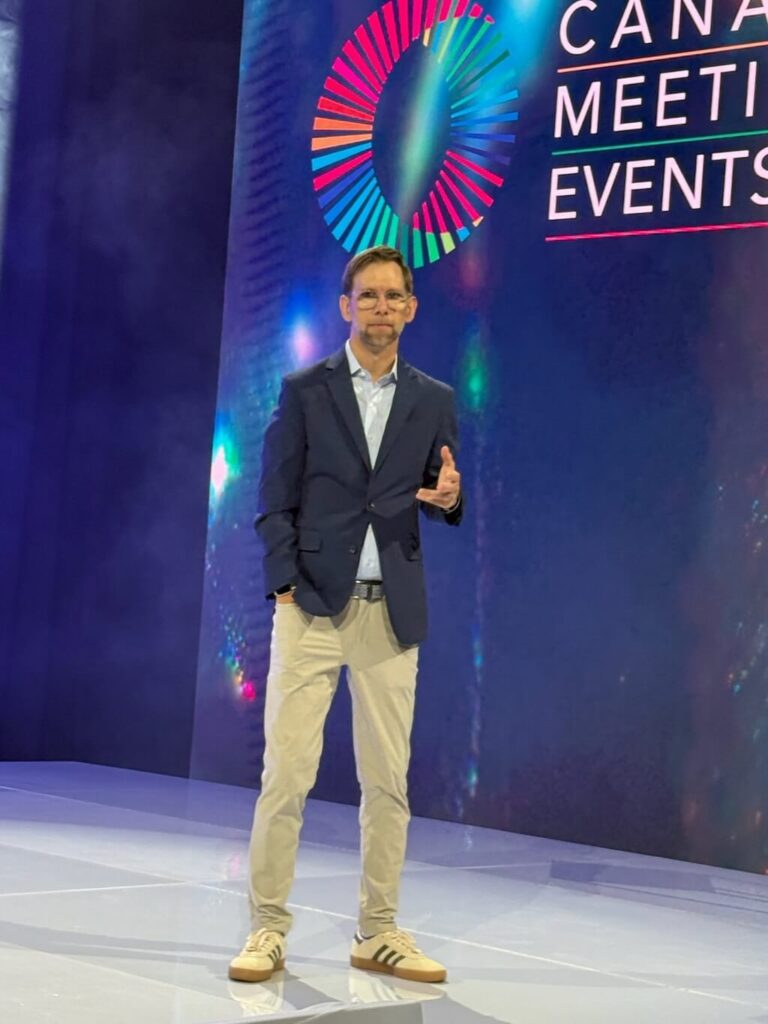
Michael has carried his story to some of the most important rooms in the country. He has testified before the United States Congress on behalf of the cerebral palsy community. He has spoken at the Centers for Disease Control and Prevention and the National Institutes of Health.
Kutcher served on the executive board of Reaching for the Stars, a foundation for children with cerebral palsy, until it merged with the Cerebral Palsy Foundation in 2019.
He then became part of the foundation’s Advisory Circle. He is also an advisor for Joshin, a service that connects people with disabilities to experienced caregivers and support providers.
As an ambassador for Donate Life, he raises awareness about organ donation. Given that a donor heart saved his life, this cause is deeply personal.
Michael Kutcher Net Worth
Michael Kutcher’s exact net worth has not been publicly disclosed. He earns income through his long-term career in financial services at Transamerica Retirement Solutions and through his work as a professional keynote speaker.
Speaker fees for nationally recognized motivational speakers typically range from several thousand to tens of thousands of dollars per engagement, though Michael’s specific fees are not publicly confirmed.
Is Michael Kutcher Married?
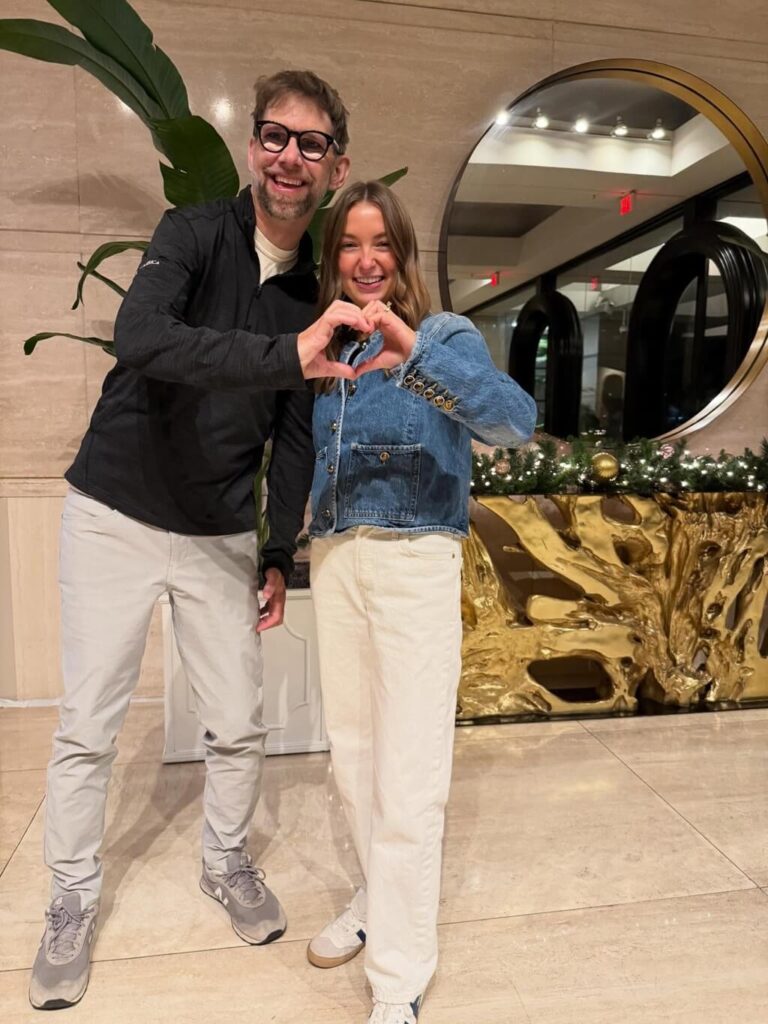
Michael Kutcher married Katie Hightower in February 2014. The couple keeps their personal life largely out of the public eye, and little has been confirmed about their current relationship status beyond the marriage record.
Michael Kutcher’s Son
Michael is the father of a son named Jackson Kutcher. He celebrated Jackson’s birthday on Instagram in September 2022, calling him a source of great friendship and lessons.
Jackson has been a significant presence in Michael’s life and was part of the reason Michael first chose to speak publicly about cerebral palsy. Meeting a girl with CP who was the same age as Jackson is what changed his mind about advocacy.
Michael Kutcher and Ashton Kutcher: Their Relationship
The twins were close as children but drifted apart as adults. When Ashton’s career took off in the late 1990s and early 2000s, the gap between their lives grew wider.
Michael has said that watching his brother become famous while he struggled with health issues created real feelings of jealousy.
“There was a moment when I viewed him as receiving more attention than I was,” Michael said on the Paramount+ series The Checkup with Dr. David Agus in December 2022. “It really affected me in terms of my own self-worth.”
Ashton, for his part, struggled with guilt. He said he often wondered how he had been so lucky when his brother had to face cerebral palsy, a heart transplant, and a blood clot.
The turning point came when Michael visited Ashton in New York during the early years of his career. Michael told him directly: “Every time you feel sorry for me, you make me less.” He added that his condition was the only life he had ever known, so there was nothing to be sorry for.
That moment reset their relationship. Ashton has described it as the moment they became equals again. The brothers appeared together publicly for the first time in their December 2022 Paramount+ interview, where they talked openly about their bond, their rift, and how they found their way back to each other.
Summary
Michael Kutcher’s story is one of quiet, steady strength. He was not supposed to survive his first days of life. At 13, doctors gave him weeks to live.
He outlasted both of those timelines and built a career, a family, and a movement.
His voice has reached Congress, the CDC, and corporate boardrooms, and it always carries the same message: different is not lesser.